

Quick answer
Mississippi River cruises for seniors feature single-level staterooms, grab bars, onboard medical staff, and gentler shore excursion pacing. Most operators design itineraries specifically for travelers 55 and older, with embarkation windows between 09:00 and 17:00 for daylight boarding. No single entry fee applies; pricing varies by operator, cabin grade, and season, typically ranging from moderate to premium tiers.
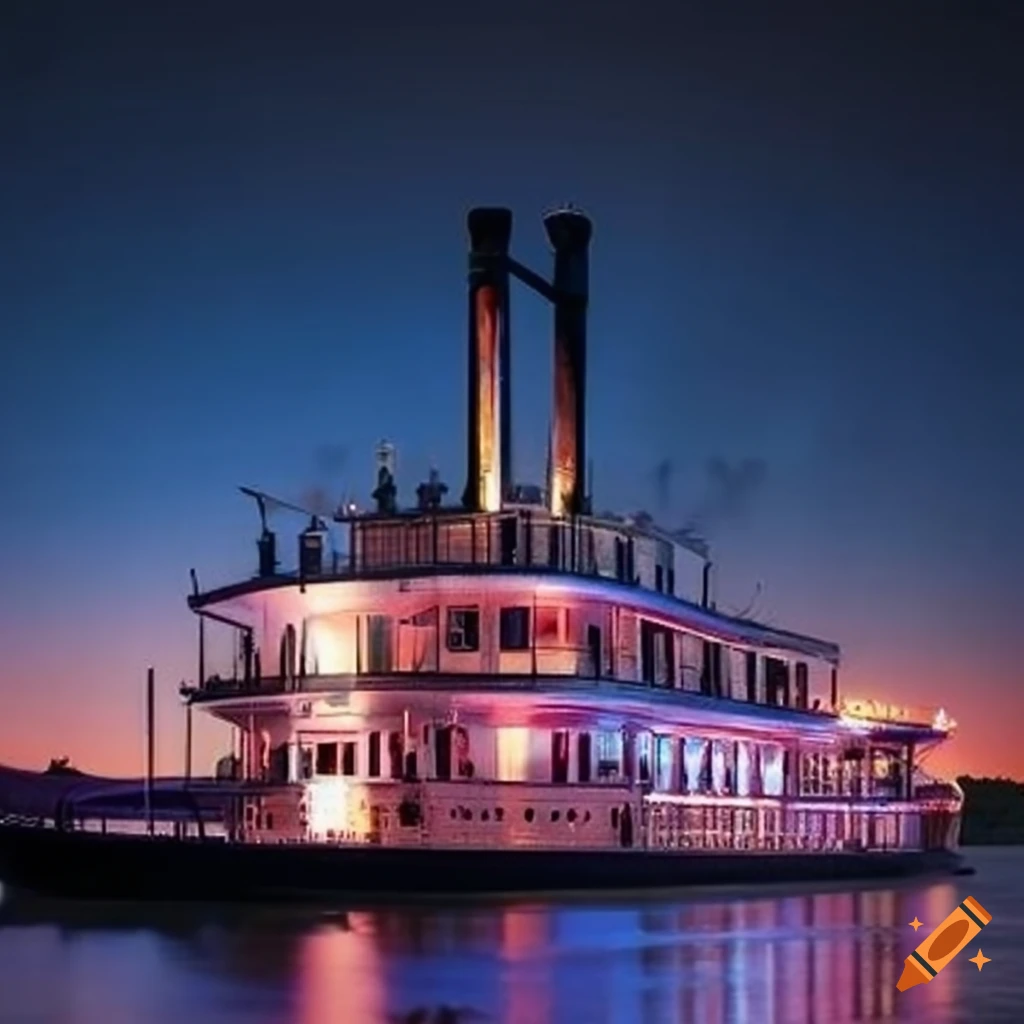
More than sixty percent of Mississippi River cruise passengers are over 65, a concentration that has reshaped how operators design both vessels and itineraries. The river itself imposes constraints—seasonal water levels, lock schedules, and narrow channel widths—that favor smaller ships with shallow drafts, which in turn create intimate sailing environments well-suited to older travelers seeking social connection without crowd pressure. Mississippi River cruises for seniors prioritize deck-level staterooms that eliminate stair navigation, wider cabin doorways for walkers or wheelchairs, and bathrooms equipped with reinforced grab bars and curbless showers. Paddlewheel vessels, which dominate the route between New Orleans and St. Paul, typically carry fewer than 200 passengers and maintain single-deck dining rooms with assigned seating that fosters multi-day friendships. Medical staff sail on most voyages longer than five nights, and pharmacy services handle routine prescription refills. Shore excursions in Memphis, Vicksburg, and Natchez are structured with optional motorcoach transport for those who prefer not to walk cobblestone districts or plantation grounds. Embarkation happens during daylight hours, avoiding the confusion and physical demand of evening boarding. Cruise lines recommend arriving at the port city one day early to acclimate and complete any last health screenings without rushed transfers. Staterooms average 250 square feet, noticeably larger than oceangoing inside cabins, with French balconies or walk-out verandas that let passengers watch the riverbank without leaving their rooms. Enrichment lecturers aboard address Civil War history, regional music traditions, and ecosystem changes, content that resonates with the educated-retiree profile most lines court. River cruises tailored for mature travelers eliminate the formality and rigid dining schedules common on ocean liners. Dress codes stay casual, with only one or two optional formal nights per week-long voyage. Onboard entertainment leans toward live jazz, storytelling, and cooking demonstrations rather than high-energy production shows. The absence of casinos, kids' clubs, and late-night discos reflects the passenger demographic and creates a quieter atmosphere conducive to rest between port days.
“More than sixty percent of Mississippi River cruise passengers are over 65, a concentration that has reshaped how operators design both vessels and itineraries.”
When to Plan Mississippi River Cruises for Seniors
The spring and fall months offer the most temperate conditions for seniors, balancing comfortable outdoor temperatures with manageable visitor numbers. Late April through May and September through October provide the ideal window for river exploration.
Spring (April–May)
Moderate crowdsMild, 60°F–75°F; ideal for deck viewing.
Cool breezes and blooming landscapes make this a preferred time for river travel.
Autumn (September–October)
Moderate crowdsPleasant, 65°F–80°F; stable river levels.
Stable weather and fall foliage provide comfortable conditions for passengers.
Summer (June–August)
High visitor volumeHot and humid, 85°F+; frequent high heat.
High temperatures and peak tourist numbers may impact comfort during outdoor excursions.
Winter (November–March)
Low visitor volumeCold, 30°F–50°F; river activity slows.
Many operators limit schedules, though itineraries remain available for those preferring cooler climates.
Verdict: April, May, September, and October are the optimal months for seniors seeking mild weather and lower cruise ship density.
Essential Preparation for Mississippi River Cruises for Seniors
Confirm these items before booking to ensure a smooth boarding experience.
-
Review cruise operator health policies — Many require proof of recent physical exams or vaccination records for multi-day voyages.
-
Request mobility assistance during booking — Operators reserve accessible cabins and arrange wheelchair assistance, but space is limited.
-
Gather travel documents and Medicare cards — You'll need photo ID for boarding and insurance information for onboard medical services.
-
Pack prescription medications in original containers — Bring enough for the full cruise duration plus three extra days for delays.
-
Confirm dietary restrictions with the operator — Galley teams prepare special meals but need advance notice, typically 7-14 days.
-
Arrange transportation to the departure port — Most cruises board during the 09:00–17:00 window; confirm your operator's specific check-in time.
Mistakes to Avoid on Mississippi River Cruises for Seniors
Senior travelers often underestimate the physical demands of shore excursions or misjudge how river conditions affect daily schedules. These planning oversights can compromise comfort and limit enjoyment of the cruise experience.
Booking without checking excursion mobility requirements
Many shore tours involve uneven terrain, stairs, or extended walking. Review each excursion's physical demand rating and choose options matching your comfort level, or arrange private tours with controlled pacing.
Ignoring how river levels alter itineraries
Low or high water can force route changes, port substitutions, or canceled stops. Build flexibility into your plans and avoid scheduling tight post-cruise connections that depend on the published itinerary.
Overpacking or bringing hard-sided luggage
Cruise cabins offer limited storage, and gangways can be narrow. Pack light using soft-sided bags, and leave formal attire at home unless your operator specifies dress codes.
Assuming all cruise lines offer equivalent medical support
Onboard medical facilities vary significantly between operators. If you have specific health needs, confirm the availability of medical staff, equipment, and pharmacy services before booking.
Waiting until embarkation day to arrange mobility aids
Walkers, wheelchairs, and accessible cabin requests require advance notice. Contact your operator at least 30 days prior to secure equipment and appropriate accommodations.
Logistics for Mississippi River Cruises for Seniors
Mississippi River cruises depart from various ports along the river spanning the United States. Travelers typically access these terminal areas via major regional airports followed by ground transportation or private transfers.
Interstate I-10 or I-55 to designated port areas
Local transit from city centers to cruise terminals
River shuttle services in select port cities
Check availability
Frequently asked questions about mississippi river cruises for seniors
Everything you need to know about mississippi river cruises for seniors